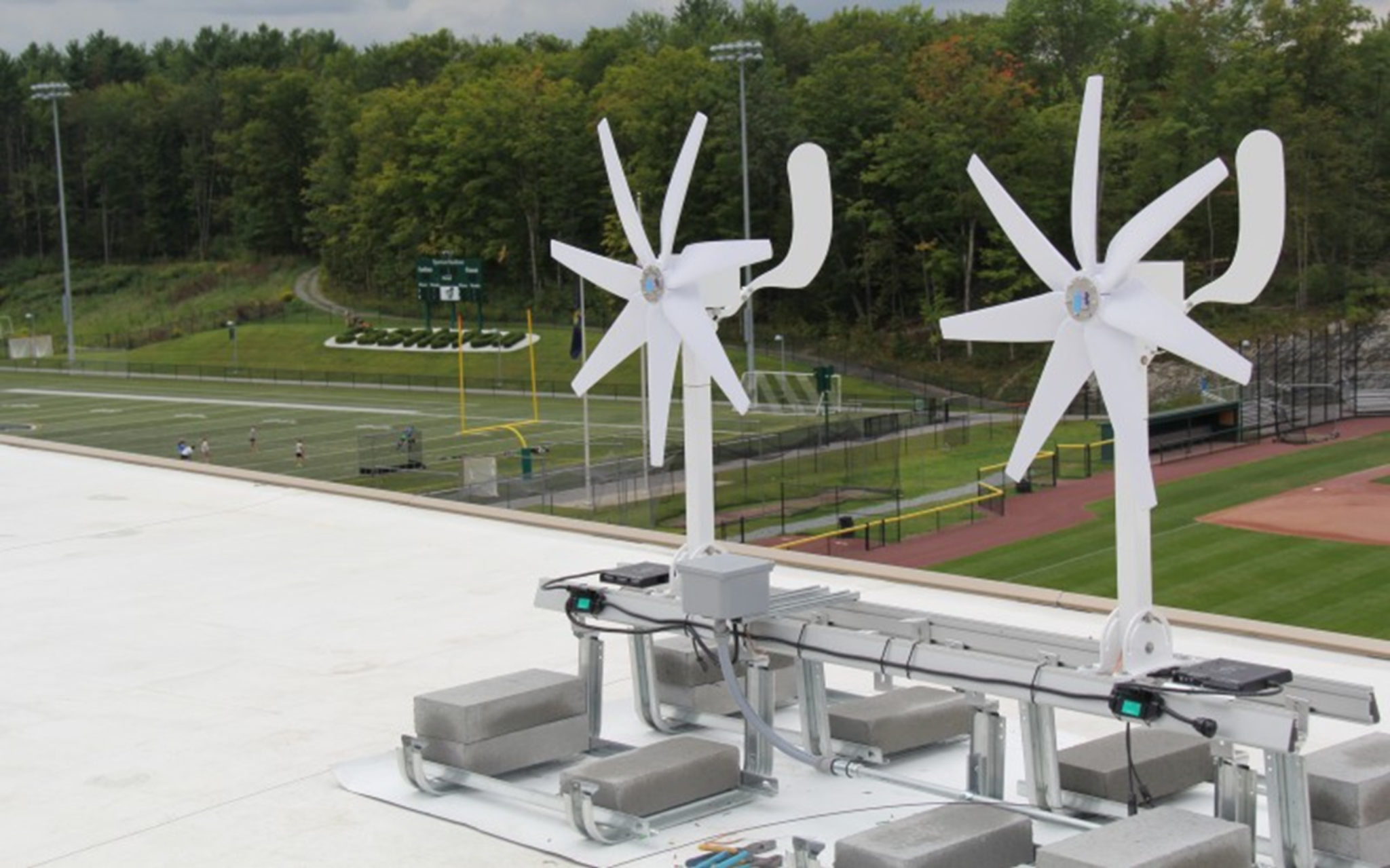
Micro Wind Turbines for Sustainable Energy:
Micro Wind Turbines (MWTs) are small-scale wind energy devices that can be installed on buildings or in residential areas to generate clean, renewable electricity.
Overview:
Micro Wind Turbines (MWTs) are compact wind energy devices contributing significantly to sustainability efforts. Innovations like vertical axis turbines and small-scale options have emerged, utilized by leading entities in the renewable energy sector.
Progress Made:
Significant advancements have been made in micro wind turbine technology:
- Vertical Axis Turbines: Development of turbines that can operate in varied wind directions.
- Improved Efficiency: Enhanced blade designs and materials for better power generation.
- Smart Integration: Integration with smart home systems for optimized energy use.
Solutions by Sector:
Residential
- Rooftop Turbines: Small turbines designed for installation on residential rooftops.
- Backyard Turbines: Standalone turbines for properties with sufficient space.
- Hybrid Systems: Combining micro wind turbines with solar panels.
Commercial and Industrial
- Building-Integrated Turbines: Wind turbines integrated into building structures.
- Parking Lot Turbines: Turbines installed in parking areas to generate facility power.
- Industrial Site Turbines: Larger micro turbines for industrial facilities.
Agricultural
- Farm-Based Turbines: Micro wind turbines for agricultural environments.
- Water Pumping Systems: Wind-powered irrigation systems.
- Off-Grid Farm Solutions: Micro turbines combined with energy storage.
Lessons Learned
- Efficiency and Durability: MWTs must generate substantial power and withstand weather challenges.
- Strategic Placement: Optimal wind locations are essential.
- Supportive Policies: Incentives and renewable energy mandates increase adoption.
- Noise and Visual Impact: Addressing community concerns is important.
Challenges Ahead
- Cost: MWT systems can still be expensive.
- Size and Weight: Installation and maintenance challenges remain.
- Efficiency: Further improvements are required.
- Grid Integration: Better integration with energy storage and power grids.
Best Path Forward
- Continuous Research: Improving efficiency and cost-effectiveness.
- Public Awareness: Educating people about renewable energy benefits.
- Affordability: Reducing costs through better manufacturing.
- Incentives: Government support for installations.
- Regulatory Support: Strong policies for renewable technologies.
- Integration with Smart Grids: Advanced renewable energy management.
What is a Micro Wind Turbine?
A micro wind turbine, also known as a small wind turbine or a mini wind turbine, is a compact device designed to convert wind energy into electrical energy on a smaller scale. It is typically used for generating electricity in locations where larger wind turbines are not practical or feasible.
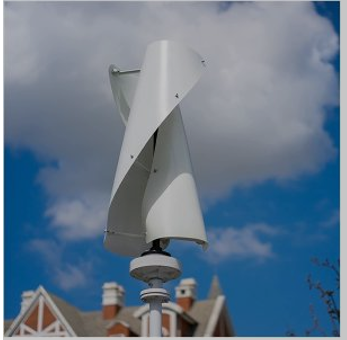
Micro wind turbines are characterized by their
smaller size and lower power
output compared to utility-scale wind turbines that you might see in wind farms.
They are often used in residential settings, remote areas, or for specific applications such as
powering small electronic devices, charging batteries or supplementing the energy needs of a building.
The design of micro wind turbines varies, but they generally consist of a rotor with two or three blades mounted on a vertical or horizontal axis. The rotor rotates when the wind blows, and this rotational motion is converted into electrical energy through a generator mechanism.
The generated electricity can be stored in batteries for later use or directly used to power devices or appliances.
Although larger models exist, micro wind turbines are typically rated for power outputs ranging from a few watts to several kilowatts. They are often installed on rooftops, poles, or other elevated structures to take advantage of higher wind speeds and minimize obstructions.
It’s important to note that the performance of micro wind turbines is heavily influenced by factors such as wind speed, site location, and surrounding obstacles. Therefore, carefully considering these factors is essential when selecting and installing a micro wind turbine to ensure optimal energy generation.
Performance of Micro Wind Turbines
The performance of a micro wind turbine can vary depending on several factors, including the wind speed at the installation site, the size and design of the turbine, and any obstructions or turbulence in the surrounding area.
Power Output
Micro wind turbines typically have power ratings ranging from a few watts to several kilowatts. The power output will depend on the specific model and the wind conditions. A micro wind turbine may generate anywhere from a few hundred watts to a few kilowatts of power under optimal wind conditions.
Wind Speed
Micro wind turbines generally require a minimum cut-in wind speed (typically around 3–5 meters per second) to start generating electricity.
The power output increases with increasing wind speed until it reaches the rated wind speed, beyond which the turbine produces its maximum rated power. However, there is a limit to how much power a micro wind turbine can generate, and power output tends to plateau or decrease at very high wind speeds to protect the turbine from damage.
Energy Generation
The energy generation of a micro wind turbine is measured in kilowatt-hours (kWh) over a specific period, such as daily, monthly, or annually. The actual energy generation will depend on the wind resource at the site.
Micro wind turbines in favourable wind locations can generate a significant portion of the electricity needed for small loads or extra power for buildings. However, it’s important to note that micro wind turbines may not consistently produce electricity at their maximum rated capacity, as wind speeds can vary.
Efficiency
Micro wind turbines’ efficiency is typically lower than more giant utility-scale wind turbines. While utility-scale wind turbines can achieve 40% or higher efficiencies, micro wind turbines often have efficiencies between 10% and 30%.
The efficiency is affected by factors such as turbine design, blade aerodynamics, and generator technology.
Remember that the actual performance of a micro wind turbine will depend on the specific model, installation location, and environmental factors. Before investing in a micro wind turbine, it’s advisable to evaluate the wind resource at the site, conduct a feasibility study, and consult with experts to determine the expected performance and energy generation potential.
Micro Wind Turbine: Material Selection and Design Considerations
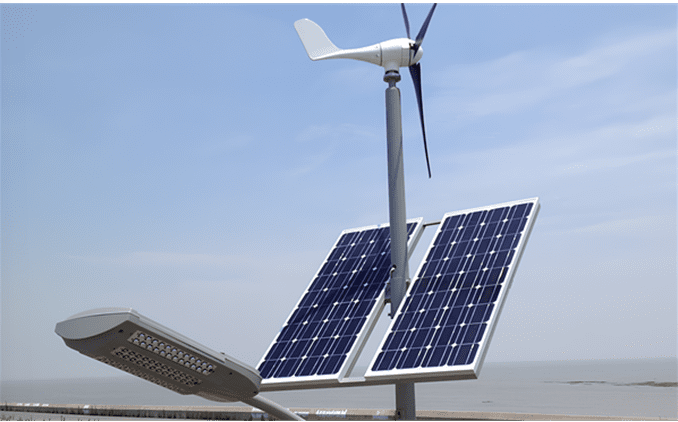
Micro Wind Turbines, as an environmentally friendly and energy-saving source of electricity, have gradually attracted attention in recent years. Compared with large wind turbines, small wind turbines present some unique characteristics in both material selection and design.
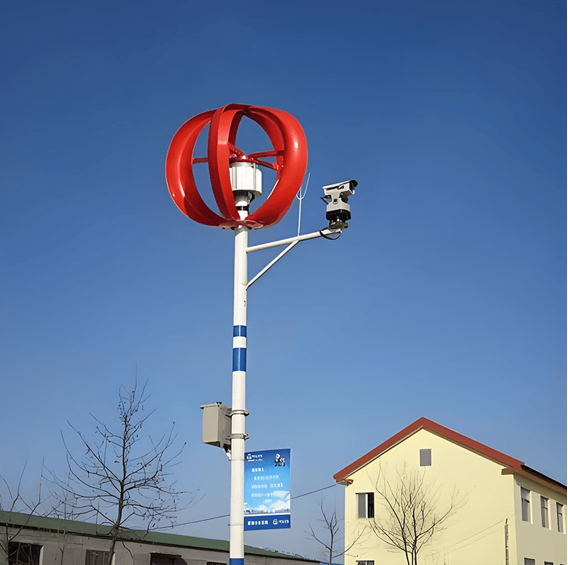
Material Selection for
Micro Wind Turbines:
Due to size and power limitations, small wind turbines must consider lightweight design, strength, and durability in material selection to ensure efficient operation and long-term use.
Blades
Blades are one of the most important components of small wind turbines and directly affect power generation efficiency.
Fiberglass:
The most common material used in turbine blades. Fiberglass is lightweight, strong, and cost-effective while providing excellent durability.Resin:
Often combined with fiberglass to improve strength, durability, and corrosion resistance.Carbon Fiber:
Lighter and stronger than fiberglass but more expensive. It is used in high-performance turbines to improve efficiency and reduce noise.Wood:
A traditional material that is cheaper but less durable. It is more suitable for low-power small wind turbines.
Tower
The tower must withstand wind loads and support the entire wind turbine structure.
Steel:
The most commonly used material due to its high strength and reasonable cost.Aluminum Alloy:
Lighter than steel but more expensive. It helps reduce overall weight and improve efficiency.Wood:
A traditional material that is inexpensive but less durable, often used in low-power turbines or auxiliary support structures.
Nacelle
The nacelle protects internal components and provides space for mechanical and electrical systems.
Steel:
Strong and durable, offering excellent protection, but heavier.Aluminum Alloy:
Lighter than steel and commonly used in modern designs.Plastic:
Lightweight and corrosion-resistant but less durable than metal materials.
Other Components
Other components such as bearings, gears, and controllers also require proper material selection to ensure reliable performance and coordination with the overall turbine design.
Considerations for Material Selection of
Small Wind Turbines:
Cost:
Material cost directly affects the total cost of small wind turbines. Selecting cost-effective materials helps control expenses and improve return on investment.Strength and Durability:
Materials must withstand strong wind, vibration, and severe weather conditions.Weight:
Lightweight materials reduce installation costs and improve turbine efficiency.Corrosion Resistance:
Materials must resist rain, salt spray, and ultraviolet radiation to extend turbine lifespan.
Design Considerations for Small Wind Turbines
In addition to material selection, the design of small wind turbines must also consider the following factors:
Wind Resources:
Blade size and shape should match local wind conditions to maximize energy generation.Noise Control:
Design strategies should reduce operational noise to minimize environmental impact.Installation and Maintenance:
Turbines should be designed for easy installation and maintenance to reduce costs and improve efficiency.
In Summary
The material selection and design of small wind turbines must consider multiple factors to ensure safe, reliable, efficient, and economical operation. With advancements in material science and manufacturing technologies, future micro wind turbines will become lighter, stronger, more durable, and more efficient, contributing significantly to the development of sustainable energy solutions.
Micro Wind Turbine: Are They Worth Investing In?
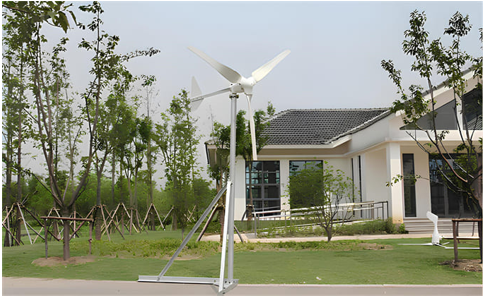
In recent years, with the rise of renewable energy
Micro Wind Turbine have gradually come into people’s view. They are regarded as an environmentally friendly and energy-saving source of electricity, attracting many consumers who want to reduce electricity bills and pursue a sustainable lifestyle. But whether small wind turbines are really worth investing in is a question that needs careful consideration.
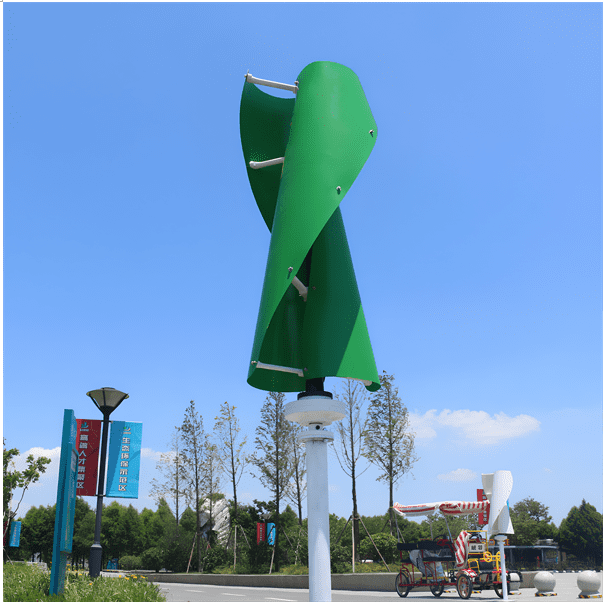
Advantages of Small Wind Turbines
Environmental Protection and energy saving
Using wind power to generate electricity reduces dependence on fossil fuels, lowers carbon dioxide emissions, and contributes positively to environmental protection.
Reduce Electricity Bills
In areas with sufficient wind resources, small wind turbines can effectively reduce electricity bills and help users save money over time.
Improve Energy Independence
Small wind turbines can provide electricity to remote areas and reduce dependence on the power grid, offering a reliable power supply where grid access is limited.
Sustainable Development
Small wind turbines serve as a sustainable energy solution and provide new opportunities for future energy development and renewable power generation.
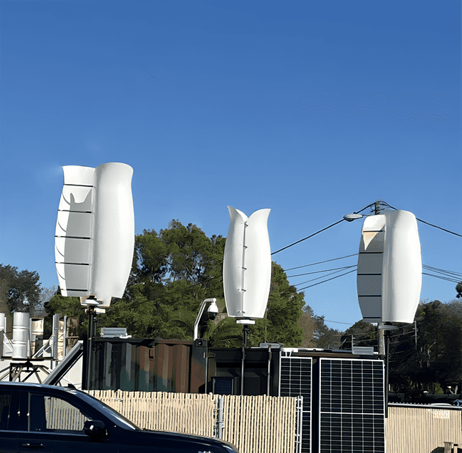
Disadvantages of
Micro Wind Turbines:
High Installation Cost
The installation cost of small wind turbines can be higher than traditional energy equipment. This requires sufficient financial resources for installation and setup.
Reliance on Wind Resources
Small wind turbines require adequate wind resources to generate electricity effectively. Not all areas are suitable for installation, so a detailed wind resource assessment is necessary.
Maintenance Costs
Small wind turbines require regular maintenance to ensure proper operation, and maintenance costs must be considered in the total investment cost.
Noise Pollution
Wind turbines may produce noise during operation. The potential impact on the surrounding environment must be evaluated, particularly in residential or densely populated areas.
Visual Impact
Small wind turbines can affect the visual landscape. Their aesthetic impact should be considered, especially in scenic or environmentally sensitive locations.
Conditions for Investing in Small Wind Turbines
Abundant Wind Resources
Your location should have sufficient wind resources to allow efficient electricity generation from a small wind turbine.
High Electricity Bills
If your electricity bills are high, installing a small wind turbine can significantly reduce long-term electricity expenses and improve economic benefits.
Pursuit of Sustainable Development
Individuals who prioritize environmental protection and wish to reduce dependence on fossil fuels may benefit from investing in micro wind turbines.
Power Demand in Remote Areas
Small wind turbines are particularly useful in remote areas where grid electricity is unavailable or unreliable.
Conditions That Are Not Suitable for Investing
Insufficient Wind Resources
If your area does not have enough wind resources, a micro wind turbine may generate limited electricity and the return on investment may be low.
Low Electricity Bills
If electricity costs are already low, the financial benefits of installing a wind turbine may not justify the investment.
Strict Environmental Restrictions
Some areas have strict environmental regulations such as noise restrictions, which may limit the installation of wind turbines.
Limited Financial Strength
The high installation and maintenance costs require sufficient financial capacity, which may not be feasible for all users.
Recommendations
Conduct a Wind Resource Assessment
Before investing in a micro wind turbine, conduct a detailed wind resource assessment to determine whether your area is suitable for installation.
Consult a Professional Company
Consult experienced wind energy companies to understand installation requirements, maintenance procedures, and applicable regulations.
Calculate Return on Investment
Carefully analyze the return on investment to ensure that the installation can recover costs within a reasonable period and provide long-term economic benefits.
In short, whether a small wind turbine is worth investing in requires a comprehensive assessment based on your specific situation and needs. If you have sufficient wind resources, high electricity costs, environmental awareness, and sufficient financial strength, then a small wind turbine may be a good choice. But if your area has insufficient wind resources, low electricity costs, or your financial strength is limited, then investing in a small wind turbine may not be wise.
Conclusion
Whether a micro wind turbine is worth investing in depends on several factors such as wind resources, electricity costs, environmental awareness, and financial capacity.
If you have strong wind resources, high electricity bills, and a commitment to sustainable energy, a micro wind turbine may be a valuable investment. However, if wind resources are limited or costs outweigh benefits, alternative renewable energy options may be more suitable.
Home Wind Turbines: Can They Run Without Batteries?
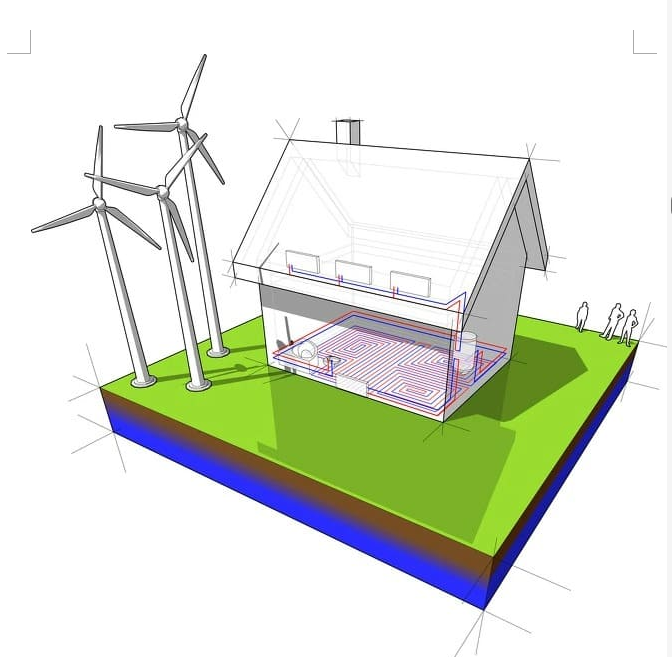
As people's pursuit of clean energy becomes increasingly strong, home wind turbines are gradually coming into the public eye. However, many people still have questions about the working principles of wind turbines.
One of the most common questions is: Can home wind turbines run without batteries?
The answer depends on your specific needs, wind resource conditions, and grid connection. This section explores the operating principles of home wind turbines and analyzes the feasibility of running them without batteries.
1. Working Principle of
Home Wind Turbines
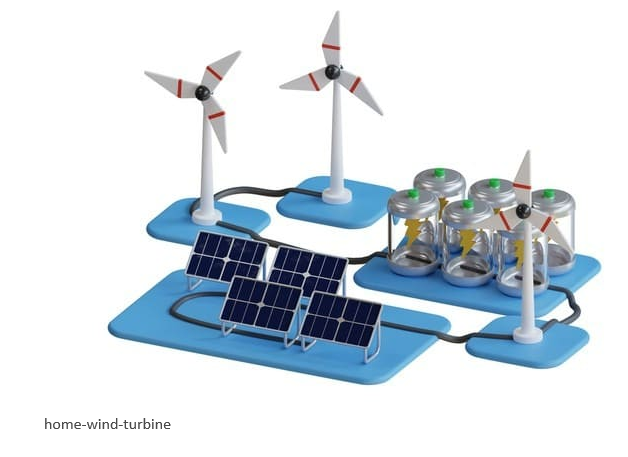
Home wind turbines are mainly composed of the following parts:
Wind Wheel
The wind wheel converts wind energy into mechanical energy. It consists of blades, hubs, and the nacelle.
Generator
The mechanical energy produced by the wind wheel is converted into electrical energy using a permanent magnet synchronous generator. This generator is known for its simple structure, high efficiency, and low noise level.
Controller
The controller manages operational aspects such as start-up, shutdown, and power regulation. It also monitors performance and performs fault diagnosis to ensure smooth operation.
Battery
Batteries store the electricity generated by the wind turbine and provide stable power when wind speed is unstable or there is no wind.
Inverter
The inverter converts the direct current produced by the wind turbine into alternating current so that it can power household appliances or connect to the home grid.
2. Two Modes of Operation of Household Wind Turbines:
2.1 Grid-Connected Mode
In grid-connected mode, the wind turbine is connected to the household power grid and operates synchronously with it.
- The electricity generated is used by the household.
- Excess electricity can be fed back into the grid.
- If wind energy is insufficient, electricity can be drawn from the grid.
2.2 Off-Grid Mode
In off-grid mode, the wind turbine operates independently from the utility grid.
- Electricity generated is stored in batteries.
- The stored energy is used to power the household.
- This mode is commonly used in remote locations.
3. Feasibility of Running Home Wind Turbines Without Batteries
3.1 Advantages of Grid-Connected Mode
- No Battery Required: Grid-connected systems do not require batteries, reducing installation and maintenance costs.
- Stable Power Supply: The grid ensures consistent electricity supply.
- Cost Savings: Excess electricity can be sold back to the grid in some regions.
3.2 Limitations of Grid-Connected Mode
- Requires Grid Access: Homes without grid connections cannot use this mode.
- Must Meet Grid Requirements: Voltage, frequency, and phase must comply with grid standards.
- Grid Limitations: Power output may be limited depending on grid load conditions.
3.3 Advantages of Off-Grid Mode
- Independent Operation: The system works without relying on the power grid.
- Power Reliability: Provides electricity even during grid failures or outages.
3.4 Limitations of Off-Grid Mode
- Batteries Required: Batteries must store electricity.
- Limited Battery Capacity: Batteries cannot support unlimited power demand.
- Regular Maintenance: Batteries require maintenance and monitoring.
4. Choosing the Right Operation Mode
Wind Resource Conditions
If your area has strong and stable wind resources, grid-connected mode is often the best option. If grid access is unavailable, off-grid systems with batteries may be required.
Power Demand
Homes with large power demand may benefit from off-grid systems with larger batteries, while homes with smaller needs may prefer grid-connected systems.
Budget
Grid-connected systems usually have lower initial costs. Off-grid systems require higher investment due to battery costs and maintenance.
5. Solutions for Running Wind Turbines Without Batteries
5.1 Hybrid Systems
Hybrid systems combine wind turbines with solar panels to compensate for periods when wind energy is insufficient.
5.2 Smart Grid Technology
Smart grids can manage energy production and distribution more efficiently, allowing wind energy to be stored and distributed through the grid.
5.3 Microgrid Technology
Microgrids integrate multiple energy sources such as wind turbines, solar panels, batteries, and generators into an independent power system.
6. Future Development of Household Wind Turbines
More Efficient Turbine Designs
Future wind turbine designs will improve energy generation efficiency and reduce costs.
Smarter Controllers
Advanced controllers will enable better monitoring and intelligent management of wind turbine systems.
Advanced Energy Storage
New energy storage technologies such as hydrogen storage and flow batteries may offer safer and more efficient solutions.
7. Conclusion
Whether household wind turbines can run without batteries depends on your specific needs and installation conditions.
Grid-connected systems are currently the most common option, while off-grid systems provide independence from the power grid. With technological advancements, future wind energy systems will become more efficient and flexible.
By selecting the right system for your needs, you can take advantage of clean wind energy and move toward a more sustainable lifestyle.
Say goodbye to solar panels: this portable turbine generates energy even at night and in the rain, and promises to charge your cell phone, laptop, and power bank with just a light breeze
What Comes After This Pocket Size Turbine?
Shine’s creators are already discussing the next step in portable wind technology. According to comments shared with GearJunkie, spokesperson Vanessa Ferguson explained that the upcoming Shine 3.0 system is expected to be larger and more powerful.
The new version is planned to deliver a rated output of around 100 watts, with up to 200 watts available from its internal battery to support larger devices and even vehicle charging.
The development team also plans to introduce improved mounting systems. These new options may allow the turbine to attach directly to parked vehicles while camping, eliminating the need to stake the turbine into the ground every time it is used.
These plans demonstrate how portable wind power is slowly evolving into a small but useful niche within the clean energy market. However, real-world performance will still depend on local weather conditions and proper installation.
Like many crowdfunded technologies, there is always the possibility that development timelines may shift or early units may require adjustments. Nevertheless, for travelers or people experiencing power outages, a pocket-sized turbine quietly spinning in the wind could become a valuable tool for maintaining power.
Wind Mill Turbine Generator
Wind energy is an environmentally clean, quiet, and attractive source of electrical energy. Modern small wind turbines use advanced materials such as carbon fiber to improve efficiency and performance, especially in regions with low wind speeds.
Our cutting-edge carbon fiber small wind turbines are optimized to operate efficiently in low wind speed regions and deliver higher performance compared to many other global manufacturers for wind speeds up to 15 m/s.
Our partner Unitron has more than 12 years of experience delivering small wind turbines across the world, including Australia, Africa, Southeast Asia, Europe, and the United States.
SALIENT FEATURES
- Lightweight carbon fibre blades
- Extremely durable magnets and high-grade stainless steel components
- Low cut-in wind speed of 2.7 m/s
- Lowest cost per watt
- Sustained output in high wind conditions
- Ruggedized body frame
- Whisper-quiet operation
Technical Specifications
Model UE-6 / 650 W
- Rated Wind Speed: 10.5 m/s (25 mph)
- Diameter: 2.2 m (7.2 ft)
- Swept Area: 3.7 sqm
- Number of Blades: 3
- Blade Material: Carbon fibre reinforced
- Rated Power: 550 W
- Peak Power at 12.5 m/s: 750 W
- Cut-in Wind Speed: 2.7 m/s
- Generator Poles / RPM: 10 / 600
Model UE-15 / 1.5 kW
- Rated Wind Speed: 10.5 m/s
- Diameter: 3.2 m
- Swept Area: 9.2 sqm
- Number of Blades: 3
- Blade Material: Carbon fibre reinforced
- Rated Power: 1350 W
- Peak Power: 1700 W
- Cut-in Wind Speed: 2.7 m/s
- Generator Poles / RPM: 16 / 375
Model UE-15 Plus / 1.8 kW
- Diameter: 3.40 m
- Swept Area: 9.40 sqm
- Rated Power: 1630 W
- Peak Power: 2200 W
- Cut-in Wind Speed: 2.7 m/s
Model UE-33 / 3.3 kW
- Diameter: 4.65 m
- Swept Area: 16.4 sqm
- Rated Power: 2700 W
- Peak Power: 3600 W
- Cut-in Wind Speed: 2.7 m/s
Model UE-42 / 4.2 kW
- Diameter: 4.90 m
- Swept Area: 19 sqm
- Rated Power: 3400 W
- Peak Power: 4600 W
- Cut-in Wind Speed: 2.7 m/s
Model UE-42 Plus / 5.1 kW
- Diameter: 5.24 m
- Swept Area: 21.4 sqm
- Rated Power: 4200 W
- Peak Power: 5400 W
- Cut-in Wind Speed: 2.7 m/s